
How to Build a Real Estate Website oN squarespace
How to Build a Real Estate Website That Actually Generates Leads
Your complete guide by Boxify Web Designs
The real estate industry has shifted online. According to the National Association of Realtors, 96% of home buyers now use the internet during their search, with 51% finding their eventual purchase online. Your website isn't just a digital business card—it's your most powerful marketing tool working 24/7.

Boxify Web Designs - A Squarespace Website Design Agency
This guide will walk you through building a professional real estate website that stands out and converts visitors into clients.
Just launched your real estate career or brokerage and neeed a website? Schedulel a free consultation with us today and learn how you can save up to 10%. INQUIRE HERE
Step 1: Strategic Foundation - Define Your Digital Identity Beyond Just a Domain
Choose a Squarespace Domain That Works Hard for You
What is a domain for us nontechnical?
A domain name is your URL address, your address in the digital world, which starts with www. and ends with .com. Think in terms of easy to use, easy to remember, easy to type and most importantly memorable and distinguishable.
Your domain name is more than an address—it's a branding and SEO opportunity rolled into one.
Strategic Domain Selection:
Personal Brand Domains
Format: FirstNameLastName.com or LastNameRealty.com
Best for: Individual agents building personal brands
Example: "SarahJohnsonHomes.com"
Benefit: Memorable, builds personal connection
Geographic Domains
Format: LocationRealEstate.com or LocationHomeFinder.com
Best for: Agents specializing in specific areas
Example: "AustinLuxuryHomes.com" or "DenverCondoExperts.com"
Benefit: Immediate SEO advantage for local searches
Niche-Focused Domains
Format: NicheLocationRealty.com
Best for: Specialists (luxury, commercial, investment properties)
Example: "WaterfrontPropertiesSeattle.com"
Benefit: Attracts highly qualified leads
Domain Registration Best Practices:
Secure .com first (most trusted extension)
Consider buying .net and .realestate as defensive registrations
Avoid hyphens, numbers, or difficult spellings
Keep it under 15 characters if possible
Check social media handle availability simultaneously
Pro Tip: Register your domain through Squarespace can make the entire process painless and easy for freelance web designers like us.
Build Your Digital Identity System
Beyond the domain, establish a cohesive digital presence:
Professional Email: Use yourname@yourdomain.com instead of Gmail
Consistent Social Handles: Secure your brand name across platforms
Google Business Profile: Critical for local SEO (more on this later)
SSL Certificate: Essential for security and Google rankings (Included with Squarespace)
Step 2: Why Squarespace is the Smart Choice for Real Estate Professionals
After building hundreds of real estate websites, we consistently recommend Squarespace for agents who want a professional, high-performing site without technical headaches. Squarespace does most of the basics right, can easily integrate your MLS listings, and help you rank your website on Google. Here's why:
1. Stunning, Professional Design Out of the Box
Squarespace templates are specifically designed by professional designers, not programmers. This means your site will look polished and modern from day one—no design skills required. Real estate is a visual business, and first impressions matter. Squarespace ensures your listings and brand are showcased beautifully on every device. Boxify Web Design customizes your website to look and feel like the world class realtor you are. We are #1 for real estate web design.
2. Everything You Need in One Place
Unlike other platforms that require you to piece together hosting, security, email, domains, and analytics from different providers, Squarespace includes everything. You get reliable hosting, SSL security, professional email, domain registration, and built-in analytics—all managed from a single dashboard. This means less technical hassle and more time selling homes.
3. Mobile-First Performance
With 72% of real estate searches happening on mobile devices, your mobile experience can make or break your business. Every Squarespace template is automatically optimized for phones and tablets—no extra work required. Your property photos look stunning, search functions work perfectly, and contact forms are easy to fill out on any screen size.
4. Built-In SEO and Marketing Tools
Squarespace includes professional SEO features that help potential clients find you on Google. Clean URLs, automatic sitemaps, customizable page titles and descriptions, SSL security (Google ranking factor), and fast loading speeds are all standard. Plus, you get built-in email marketing, social media integration, and analytics to track your success.
5. Professional Support When You Need It
Unlike DIY platforms where you're on your own, Squarespace provides 24/7 customer support via email and live chat. Whether you need help adding a feature, troubleshooting an issue, or understanding analytics, their team is there to help. For busy real estate professionals, having expert support is invaluable.
In addition to expert support, Boxify Web Designs is here to help support your website when we take on your project. Learn why we are #1 in Squarespace real estate website design near you.
The Bottom Line: Squarespace offers the perfect balance of professional design, powerful features, and ease of use—without requiring technical expertise or cobbling together multiple services. You can have a beautiful, functional real estate website up and running in days, not months.
Step 3: Design Your Website for Maximum Impact
Great design isn't about being flashy—it's about making it easy for potential clients to find what they need and contact you. Here's what your site needs:
Homepage Essentials
Your homepage should accomplish three things: establish credibility, showcase your listings, and make it easy to get in touch.
What to Include:
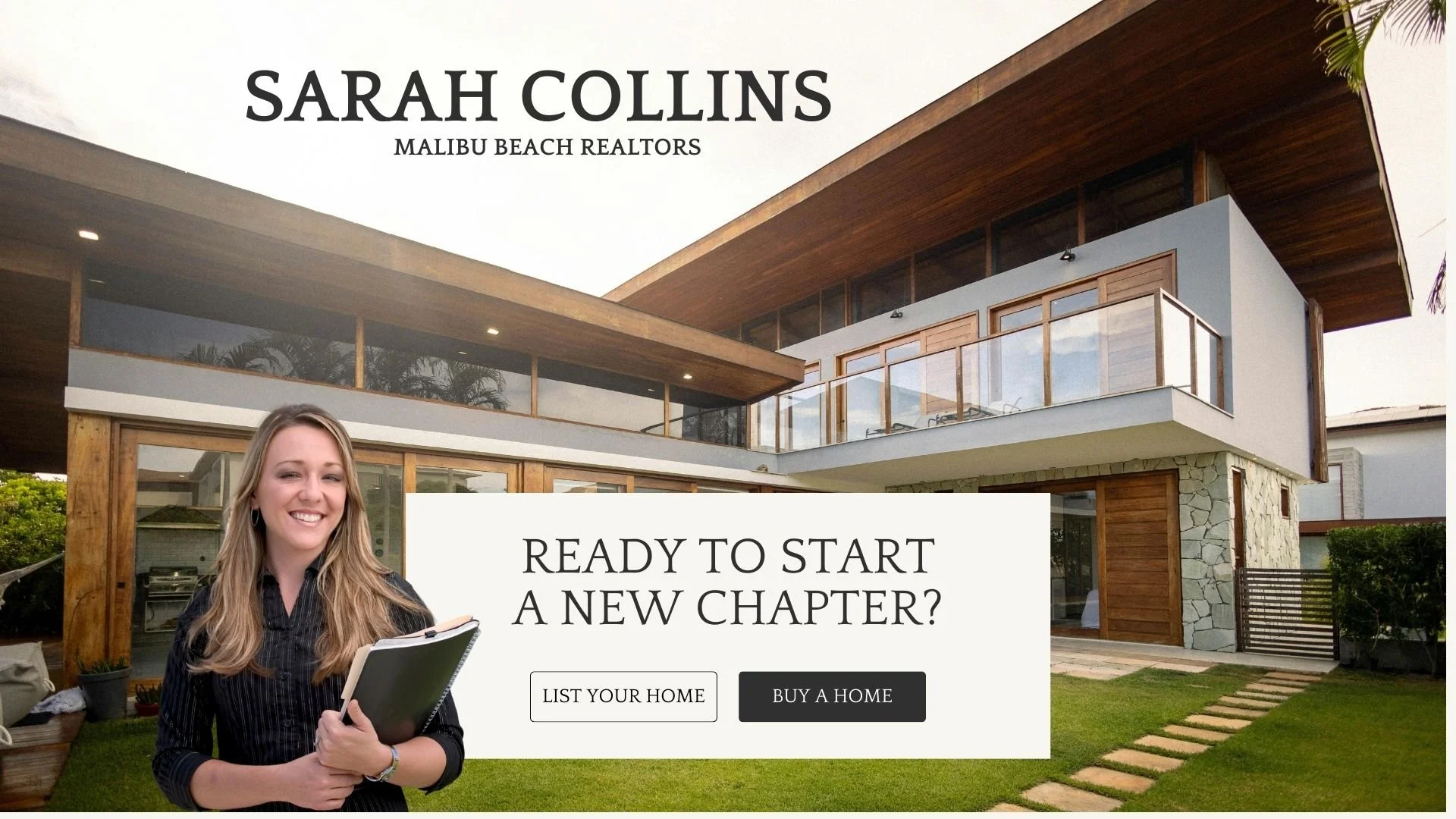
Hero Section - Your first impression matters. Use a high-quality image or video of a beautiful property or your local area with a clear headline that states what you do and who you serve. Include a prominent search bar or "View Properties" button.
Featured Listings - Show 4-6 current listings that represent your market range. Mix of different property types and price points shows breadth of expertise. Don't forget to include sold properties with a "SOLD" banner to demonstrate your success.
Your Value Proposition - A brief section explaining why clients should choose you. Focus on 3-4 key points: years of experience, local market knowledge, specialized services, or unique approach. Use specific numbers when possible ("20+ Years," "500+ Homes Sold").
Testimonials & Reviews - Real client testimonials with photos build trust immediately. Video testimonials are even more powerful. Include 3-4 on your homepage with links to see more.
About Section Preview - A professional photo of you with a brief introduction (2-3 sentences) and a link to your full About page. People want to know who they're working with.
Contact Information - Make it easy to reach you. Include phone number (click-to-call on mobile), email, contact form, and links to your social media. Display your response time commitment ("We respond within 2 hours").
Essential Pages
About Page - Tell your story in a way that connects. Start with why you love real estate and your connection to the local area. Share something personal (family, community involvement), then transition to your professional experience and credentials. Include a professional photo and consider adding a short video introduction—it builds trust faster than text alone.
Property Listings - If using IDX integration, your MLS listings will display automatically. Make sure your search function is easy to use with filters for location, price, bedrooms, and property type. Each listing should have high-quality photos, detailed descriptions, key stats, and a contact form.
Neighborhood/Local Area Pages - Create dedicated pages for the neighborhoods or towns you serve. Include local market statistics, schools, amenities, photos, and current listings. These pages are excellent for local SEO and help buyers learn about areas they're considering.
Contact Page - Provide multiple ways to reach you: phone, email, text, and a contact form. Include your office address with an embedded map, hours of operation, and links to schedule a consultation. The easier you make it, the more contacts you'll receive.
Resources/Blog - Share valuable content like home buying guides, seller tips, market updates, and local community news. This positions you as an expert and helps with SEO. Aim for 1-2 posts per month minimum.
Design Principles That Convert
Visual Hierarchy - Use size, color, and placement to guide visitors to important elements. Your most important call-to-action should be the most prominent.
Professional Photography - Invest in professional photos for both your properties and your headshots. Quality imagery dramatically impacts how visitors perceive your professionalism.
Consistent Branding - Choose 2-3 colors that reflect your brand and use them consistently. Select professional fonts that are easy to read. Squarespace templates make this simple.
White Space - Don't cram everything together. Give your content room to breathe. Clean, uncluttered pages feel more professional and are easier to navigate.
Mobile Experience - Test everything on your phone. Buttons should be easy to tap, text should be readable without zooming, and forms should be simple to complete. Remember, most of your visitors will be on mobile devices.
Fast Loading - Compress your images before uploading and avoid excessive animations. A slow website will cost you leads—people won't wait more than 3 seconds for a page to load.
Lead Capture Strategy
Every page should have a clear path for visitors to contact you:
Multiple Contact Methods - Phone, email, text, and forms. Some people prefer to call, others want to send a message. Offer both.
Strategic Form Placement - Contact forms on every listing, in your footer, and on dedicated contact/about pages. Keep forms short—name, email, phone, and message are enough to start.
Valuable Offers - Give people a reason to share their information. Home valuations, buyer/seller guides, neighborhood reports, and new listing alerts all work well. Squarespace makes it easy to create these lead magnets and automate delivery.
Live Chat - Consider adding a chat widget for instant communication during business hours. Tools like Tidio integrate easily with Squarespace and can significantly increase engagement.
Clear Calls-to-Action - Tell people exactly what to do next. "Schedule a Showing," "Get Your Home Value," "Search Properties," or "Contact Me Today" are clear and direct.
Step 4: Showcase Your Local Market and Listings
The key to a successful real estate website is highlighting your local expertise and making it easy for buyers to find properties in the areas they want to live. That is why Boxify Web Designs and our freelancers recommend Squarespace for easy integration with IDX and MLS listings. We go beyond by building individual webpages for your listings, with address, branding, and contact information to help you sell more homes!
Focus on Local Areas
Your local knowledge is one of your biggest competitive advantages. Create dedicated pages for each neighborhood, town, or area you serve:
What to Include on Neighborhood Pages:
Local Market Overview - Brief description of the area's character and what makes it special. Is it family-friendly? Urban and trendy? Quiet and residential? Help buyers envision living there.
Market Statistics - Current median home prices, recent price trends, average days on market, and inventory levels. Update these quarterly to keep content fresh and show you're active in the market.
Current Listings - Display available properties in that specific area. This helps with local SEO and shows you're actively selling in that neighborhood.
Schools & Education - List nearby schools with ratings, test scores, and district information. For families, this is often the #1 priority.
Lifestyle & Amenities - What's nearby? Parks, shopping, restaurants, gyms, entertainment. Include walking/biking scores if available. Paint a picture of daily life in the area.
Photos - Use high-quality images of the neighborhood—not just homes, but parks, main streets, local landmarks. Original photos are better than stock images.
Embedded Map - Show the neighborhood boundaries and key points of interest. Interactive maps help buyers understand location and proximity to work, schools, and amenities.
These local pages do double duty: they help potential clients learn about areas they're considering AND they dramatically improve your search engine rankings for local searches like "homes for sale in [neighborhood]."
IDX Integration for MLS Listings
IDX (Internet Data Exchange) allows you to display all MLS listings on your website, not just your own. This is essential for providing value to buyers and capturing leads.
Why IDX Matters:
Buyers want to search ALL available homes, not just yours
Keeps visitors on your site longer
Positions you as a resource, not just a salesperson
Captures leads when buyers save searches or favorite properties
Updates automatically as new listings hit the market
IDX Providers for Squarespace: Several third-party services integrate with Squarespace to add IDX functionality. Popular options include IDX Broker, Showcase IDX, and iHomefinder. These typically cost $40-100/month and provide:
Automatic MLS listing updates
Advanced search and filtering
Map-based search functionality
Saved search and email alerts for buyers
Mobile-responsive property displays
Lead capture forms on listings
Setting Up IDX: Your IDX provider will give you embed codes to add to your Squarespace pages. This usually takes 30-60 minutes to set up initially, then updates automatically.
Map Locations & Search Functionality
Location is everything in real estate. Make it easy for buyers to search by area:
Interactive Maps - Use map-based search so buyers can visually explore neighborhoods. Most IDX providers include this feature. Buyers can zoom in on areas they're interested in and see all available properties.
Location-Based Filtering - Allow searches by city, neighborhood, zip code, or school district. Make these filters prominent and easy to use.
Proximity Search - Let buyers search for homes near specific locations (their workplace, a school, family members). Some IDX systems include this advanced feature.
Embedded Maps on Listings - Every property page should show the exact location on a map with nearby amenities, schools, and commute times to major employers.
The easier you make it to find properties in desired areas, the more time buyers spend on your site and the more likely they are to contact you.
Step 5: Why a Website Beats Social Media Alone
Many agents wonder: "Do I really need a website when I have Instagram?" The short answer is yes—absolutely. Instagram is great, but customers are searching on Google and looking for localized real estate agents, when someone finds you on Instagram, there are tons of other agents you are competing with. On search, people rarely go past the first 5 agents. Here's why:

Social media is rented space; your website belongs to you.
You Own Your Website, Not Your Social Media
Control & Ownership - Instagram, Facebook, and other platforms can change their algorithms, policies, or even shut down your account without warning. Your website is yours forever. You control the content, the design, and the visitor experience.
Professionalism & Credibility - When serious buyers or sellers search for you, they expect to find a professional real estate website. A polished site signals that you're established and trustworthy. Social media alone suggests you're not fully invested in your business.
SEO & Discoverability - Your website ranks on Google. Social media posts don't. When someone searches "real estate agent in [your city]" or "homes for sale in [neighborhood]," your website can appear. Your Instagram won't.
Functionality That Social Media Can't Provide
Property Search - Buyers want to search and filter listings by price, location, bedrooms, and features. Your website with IDX integration offers this. Social media doesn't.
Detailed Information - Property descriptions, neighborhood guides, market reports, and in-depth content live on your website. Instagram captions and Stories are too limited for serious buyers doing research.
Lead Capture & Follow-Up - Your website captures contact information through forms, home valuations, and property alerts. You can then nurture these leads with email campaigns. Social media DMs are not a professional lead management system.
Professional Presentation - Showcase your full listings portfolio, credentials, testimonials, and market expertise in an organized, searchable format. Social media is chaotic and temporary by nature.
The Best Strategy: Website + Social Media
Use your website as your hub and social media to drive traffic to it:
Instagram/Facebook: Share beautiful listing photos, market tips, and community highlights with a link to your website in bio
Your Squarespace Website: Provide the full details, search functionality, and ways to contact you
Think of social media as your megaphone and your website as your office. Both are important, but they serve different purposes. Social media starts conversations; your website closes deals.
Bottom Line: Social media is great for visibility and engagement, but a professional website is essential for credibility, functionality, and actually converting leads into clients. You need both to succeed in modern real estate.
Step 6: Get Found on Google and Track Your Success
Having a beautiful website means nothing if no one can find it. Here's how to make sure potential clients discover you online and how to know what's working.
Making Your Website Visible on Google
Google Business Profile (Most Important) This free tool is the #1 way local clients find you. When someone searches "real estate agent near me" or "homes for sale in [your city]," your Google Business Profile can appear at the top of results with your photo, reviews, and contact info.
Set it up completely:
Add your business name, address, phone, and website
Choose "Real Estate Agent" as your category
Upload professional photos of yourself and your office
Write a compelling business description using words your clients search for
Post updates regularly (new listings, market insights, local news)
Ask happy clients to leave Google reviews—these are gold for your rankings
Respond to every review, even negative ones professionally
Basic Website SEO (Search Engine Optimization) This sounds technical, but Squarespace makes it simple:
Page Titles: Each page should have a unique title that describes what's on it. Instead of "Page 1," use "Homes for Sale in Downtown Austin | [Your Name]"
Descriptions: Write a 1-2 sentence description for each page that summarizes the content
Image Names: Before uploading photos, name them descriptively (luxury-home-austin-kitchen.jpg instead of IMG_1234.jpg)
Blog Content: Write about local topics people search for—neighborhood guides, market updates, buying/selling tips. Aim for 1-2 posts per month
Build Your Local Presence Get your business listed consistently across the web:
Zillow and Realtor.com profiles
Facebook Business Page
Yelp
Local chamber of commerce directory
Any other local business directories
Make sure your name, address, and phone number are exactly the same everywhere.
Track What's Working
Google Analytics (Free) Squarespace includes built-in analytics, but connecting Google Analytics gives you more detail. You'll see:
How many people visit your site
Which pages they look at most
How they found you (Google search, social media, direct)
What devices they use (phone vs computer)
Where they're located
This helps you understand what content resonates and where to focus your efforts.
Monitor Your Leads Keep track of:
Contact form submissions
Phone calls
Email inquiries
Which listings get the most interest
Which neighborhood pages get the most traffic
This data tells you what's working so you can do more of it.
Simple Monthly Check-Ins Once a month, spend 30 minutes reviewing:
How many website visitors you had
How many became leads
Which pages were most popular
Any technical issues (broken links, slow pages)
Your Google Business reviews and questions
Make small improvements based on what you learn.
Keep Your Site Fresh
Search engines favor websites that are regularly updated:
Add new blog posts (1-2 per month minimum)
Update market statistics on neighborhood pages (quarterly)
Add new testimonials as you receive them
Refresh photos periodically
Remove or update outdated information
Think of your website as a living tool, not a "set it and forget it" project.
The Bottom Line: You don't need to be a tech expert to get found online. Focus on completing your Google Business Profile, keeping your website updated with helpful local content, and tracking basic metrics. Consistency matters more than perfection.
Your Path to a Success Squarespace website
Building a professional real estate website doesn't have to be overwhelming. By following these six steps, you'll create a powerful online presence that works for you 24/7:
Choose a memorable domain that represents your brand
Build on Squarespace for professional design and all-in-one convenience
Design pages that convert with clear calls-to-action and valuable content
Showcase your local expertise with neighborhood pages and IDX integration
Establish your website as your professional hub (not just social media)
Get found on Google and track your results to keep improving
Remember: Your website is an investment that compounds over time. Unlike paid advertising that stops when you stop paying, your website continues working around the clock, building equity through content, rankings, and authority.
The agents who succeed are those who commit to consistent improvement, provide genuine value to visitors, and stay engaged with their online presence.
Start today. Perfect later. Your future clients are searching right now.
Ready to Build Your Professional Real Estate Website?
At Boxify Web Designs, we specialize in creating custom Squarespace websites for real estate professionals. We handle the technical complexity so you can focus on what you do best—serving clients and growing your business.
Contact Boxify Web Designs today to discuss your website project.
This guide was created by Boxify Web Designs, combining years of experience in real estate web design with the latest digital marketing strategies. We're committed to helping real estate professionals build powerful online presences that drive real business growth.
Last Updated: February 2026